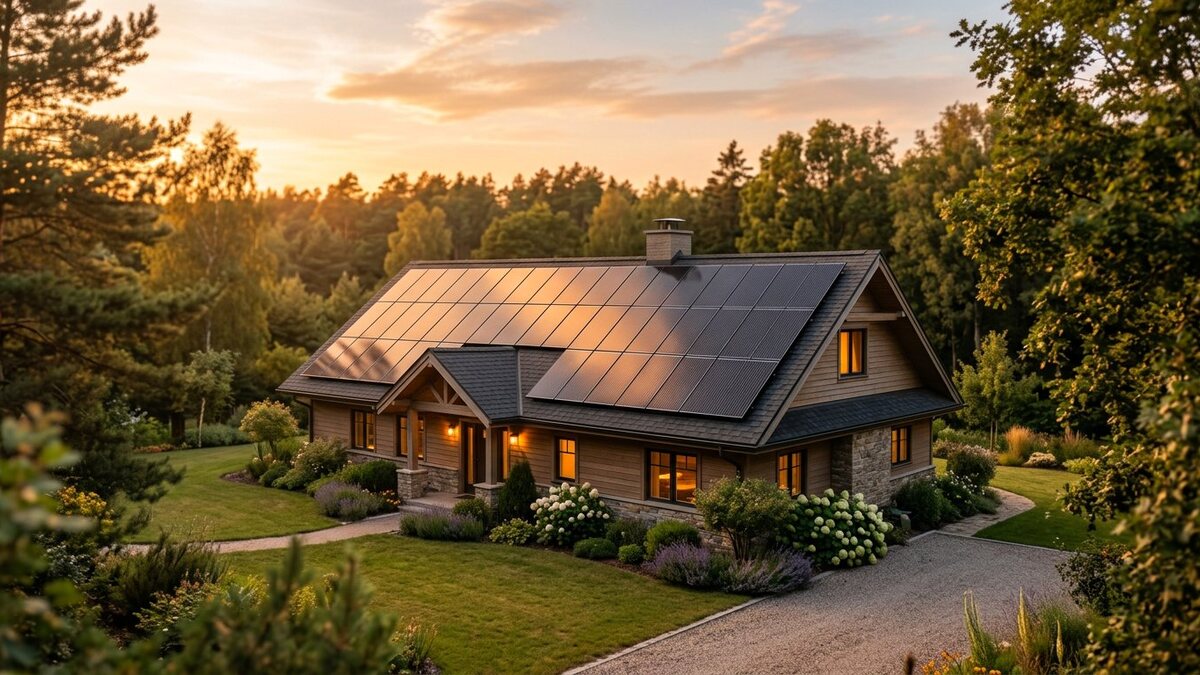
We are often called to a home where solar panels were installed on a roof that was already tired. Taking the panels down, storing them, replacing the roof and reinstalling the array is expensive work that nobody enjoys paying for. A little sequencing removes that problem completely.
Inspect the Roof Before Anything Else
The first step in every combined project is an honest inspection: shingle condition, flashing around chimneys and vents, decking, and how well the attic breathes. A roof with life left in it can usually be repaired and prepared for panels. A roof that is near the end of its service should be replaced first, while the surface is still clear and easy to work on.
Decide the Order, Then the Equipment
Once the roof is ready, panel placement comes next. Shade, ridge lines, vent locations and how you want the array to look from the street all influence the layout. If you are adding battery storage or a monitoring system, decide now — running the necessary conduit during the roofing work is far tidier than retrofitting it later.
- Roof inspection and any repair or replacement first
- Ventilation and flashing corrections before mounting rails
- Panel layout planned around shade and vents, not just roof area
- Conduit and battery placement agreed before the first hole is drilled
Think About the Whole Envelope
Solar production only pays off if your home keeps the energy it makes. Attic insulation, drafty windows and poorly sealed doors can quietly undo the benefit. Because our teams handle roofing, windows replacement and insulation under one roof, we can bundle these into a single visit and one clear quote.
Gutters deserve a mention too. Water that cannot drain properly damages fascia and roof edges long before it ever reaches your ceiling — and it is far cheaper to correct during the upgrade than to repair afterwards.
“Sequence beats speed. A roof prepared properly makes every solar panel above it work harder for longer.”
What the Finished Upgrade Feels Like
A quieter house in the wind, a drier attic after a storm and a utility bill that stops climbing quite so quickly. Combined roofing and solar work is less glamorous than a kitchen remodel, but it is the upgrade our clients thank us for most often years later.
Quick takeaways
- Inspect and repair the roof before mounting anything on it
- Plan panel layout and conduit runs while the roof is open
- Bundle insulation, windows and gutters into one visit
- Choose equipment you can maintain locally for years to come